“Winter roads shouldn’t mean shorter drives. Discover cold‑weather EV solutions.”
Let’s dive in.
How Cold Weather Affects EV Range in USA, UK, Europe: The Complete 2025 Guide
Electric vehicles have become a defining force in Nordic nations’ transportation landscape, but as adoption grows from UK, USA to Europe, one question keeps resurfacing every winter:
Why does my EV lose range in cold weather and leads to EV Range anxiety?
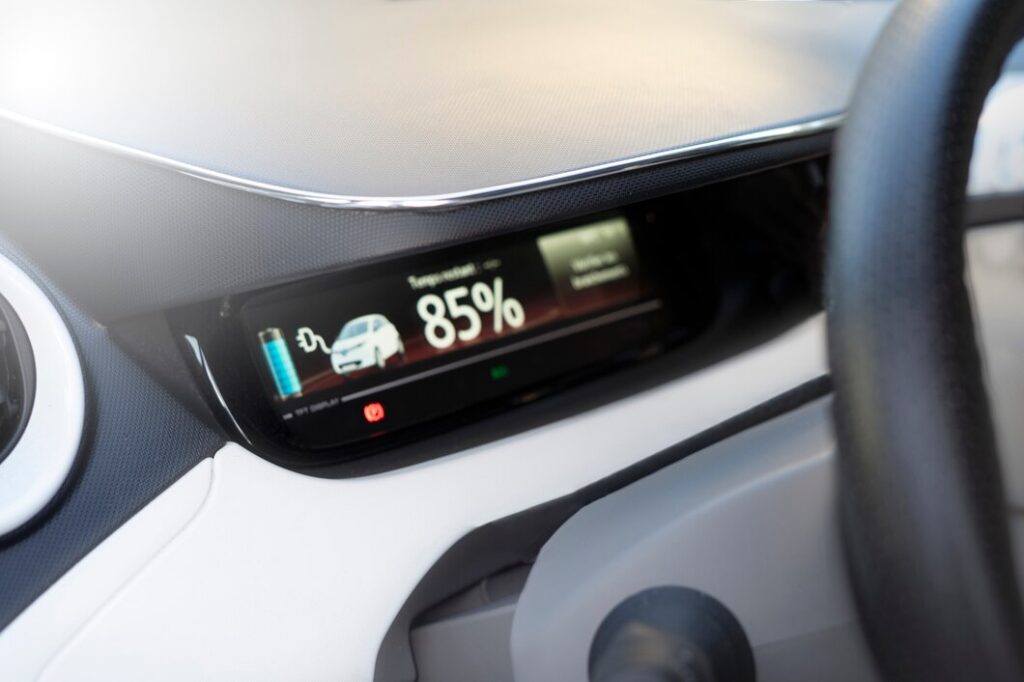
Drivers from Minnesota to Maine report noticeable drops in range once temperatures dip. And they’re not imagining it. According to a 2025 U.S. weather‑and‑EV‑range report, cold temperatures, snow, and even altitude can significantly impact EV performance and battery output. Real‑world tests show that EVs can lose 25–40% of their range during harsh winter conditions.
This leads to the EV Range anxiety for its Owners.
But here’s the good news:
Modern EVs are far better equipped for winter than ever before, thanks to heat pumps, battery preconditioning, and smarter thermal management systems.
This guide breaks down exactly how cold weather affects EV range in UK, USA and Europe, why it happens, and what drivers can do to maximize winter performance.
❄️ Why EVs Lose Range in Cold Weather
Cold weather affects EVs differently than gas-powered cars. While combustion engines generate heat naturally, EVs must use battery power to warm the cabin and maintain battery temperature.
Here are the main reasons EV range drops in winter:
✅ 1. Battery Chemistry Slows Down in the Cold
Lithium‑ion batteries operate best between 20°C–30°C (68°F–86°F). When temperatures fall, chemical reactions inside the battery slow down, reducing:
- Power output
- Charging speed
- Total available range
This is why an EV that normally gets 250 miles may show only 180–200 miles on a freezing morning.
✅ 2. Cabin Heating Uses Significant Energy
Unlike gas cars, EVs don’t have waste heat from an engine. They must generate heat electrically.
Heating the cabin, seats, steering wheel, and defrost system can consume 10–30% of available battery power.
✅ 3. Winter Tires and Snow Increase Rolling Resistance
Snow-covered roads create drag. Winter tires, while essential for safety, also increase rolling resistance.
✅ 4. Regenerative Braking Is Limited in Cold Weather
Cold batteries can’t accept high regenerative braking input. This reduces energy recovery and lowers efficiency.
✅ 5. Aerodynamics Change in Harsh Weather
Snow, slush, and headwinds increase drag, forcing the EV to work harder.
🌡️ How Much Range Do EVs Lose in USA, UK, Europe Winters?
Real-world data paints a clear picture:
📉 Range Loss: 25–40% in Sub‑Freezing Temperatures
A 2025 winter driving test in the U.S. showed EVs losing 25–40% of their range when temperatures dropped to 18–21°F.
📉 Climate Control Can Reduce Range Even in Mild Weather
Surprisingly, even in warmer states like California, using in‑car climate control can reduce range more than expected.
📉 Charging Slows Down Significantly
Cold batteries charge slower because they must warm up before accepting high-speed charging.
📍 Regional Breakdown: How Winter Affects EVs Across America
| Region | Typical Winter Temps | Expected Range Loss | Notes |
|---|---|---|---|
| Upper Midwest (MN, WI, MI) | 0°F to 25°F | 30–40% | Most severe range loss |
| Northeast (NY, MA, ME) | 10°F to 30°F | 25–35% | Snow + traffic worsen efficiency |
| Rocky Mountains (CO, UT) | 5°F to 25°F | 25–40% | Altitude affects battery output |
| Pacific Northwest (WA, OR) | 25°F to 40°F | 10–20% | Rain impacts efficiency |
| California | 35°F to 55°F | 5–10% | Mild winters but climate control still reduces range |
| South (TX, GA, NC) | 25°F to 45°F | 10–20% | Occasional cold snaps cause temporary drops |
🚗 EV Winter Driving: What Happens Inside the Battery?
To understand EV range cold weather effects, let’s look inside the battery.
🔋 Cold Slows Ion Movement
Lithium ions move slower in cold temperatures, reducing:
- Voltage
- Power output
- Usable capacity
This is why your EV may show a lower state of charge (SOC) in the morning.
🔥 Thermal Management Systems Work Overtime
Modern EVs use:
- Battery heaters
- Heat pumps
- Coolant loops
These systems keep the battery warm but consume energy.
🧊 Cold Batteries Resist Fast Charging
Fast chargers (DCFC) require the battery to be warm. If not, the car will:
- Limit charging speed
- Precondition the battery
- Extend charging time
This is why winter road trips require more planning.
🧭 How Cold Weather Affects EV Range in Real Nordic Nations Conditions
Let’s break down the most common winter scenarios.
❄️ 1. Morning Cold Starts
When your EV sits overnight in freezing temperatures:
- Battery temperature drops
- Range estimate decreases
- Regenerative braking is limited
- Cabin heating demands spike
This is the moment when drivers notice the biggest range drop.
🌨️ 2. Snowy Roads
Snow increases rolling resistance by up to 20%. Combined with cold air, this can reduce range significantly.
🌬️ 3. Highway Driving in Winter
Cold air is denser, increasing aerodynamic drag. At 70 mph, this can reduce range by 15–25%.
🏔️ 4. Mountain Driving
Altitude affects EVs in surprising ways:
- Cold air reduces battery efficiency
- Regenerative braking is limited when the battery is cold
- Climbing steep grades consumes more energy
A 2025 report found that altitude changes can dramatically affect EV range in the U.S.
✅ How to Maximize EV Range in Cold Weather
Here’s the part every EV driver wants: practical, proven strategies.
🔌 1. Precondition Your Battery and Cabin
Preconditioning warms the battery and cabin before you start driving.
Do it while plugged in to avoid draining the battery.
🏠 2. Park Indoors Whenever Possible
A garage can keep your battery 10–20°F warmer.
🔋 3. Use Seat and Steering Wheel Heaters Instead of Cabin Heat
These use far less energy.
🚗 4. Drive in Eco Mode
Eco mode reduces acceleration and limits power draw.
🛞 5. Keep Tires Properly Inflated
Cold air reduces tire pressure, increasing rolling resistance.
⚡ 6. Charge More Frequently in Winter
Don’t rely on the last 20% of your battery. Cold weather reduces usable capacity.
🧊 7. Use Battery Preconditioning Before Fast Charging
Most EVs automatically warm the battery when you navigate to a DC fast charger.
🧭 8. Plan Winter Road Trips Carefully
Expect:
- Slower charging
- More frequent stops
- Reduced regenerative braking
Apps like PlugShare and A Better Routeplanner (ABRP) help optimize winter routes.
Increase Your EV Range by these Products:
-
Product-1, EV Car Portable Power Backup – 4kW
Price range: $2,250.00 through $2,475.00 -
Product-2, EV Car Portable Power Backup – 5kW
Original price was: $4,950.00.$2,490.00Current price is: $2,490.00. -
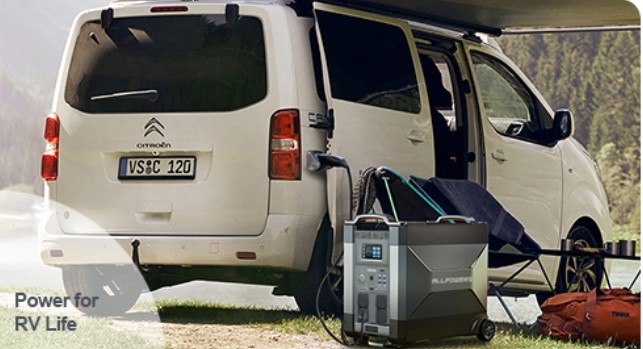
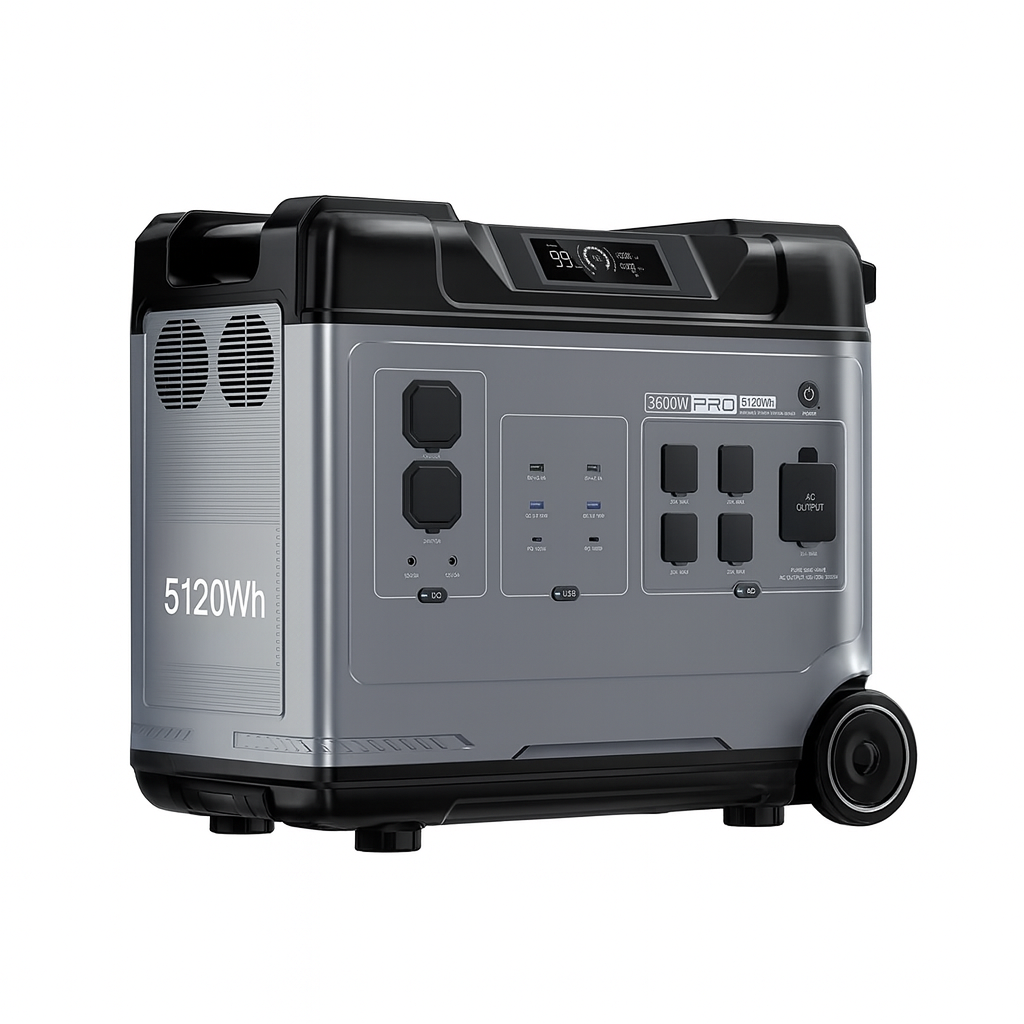
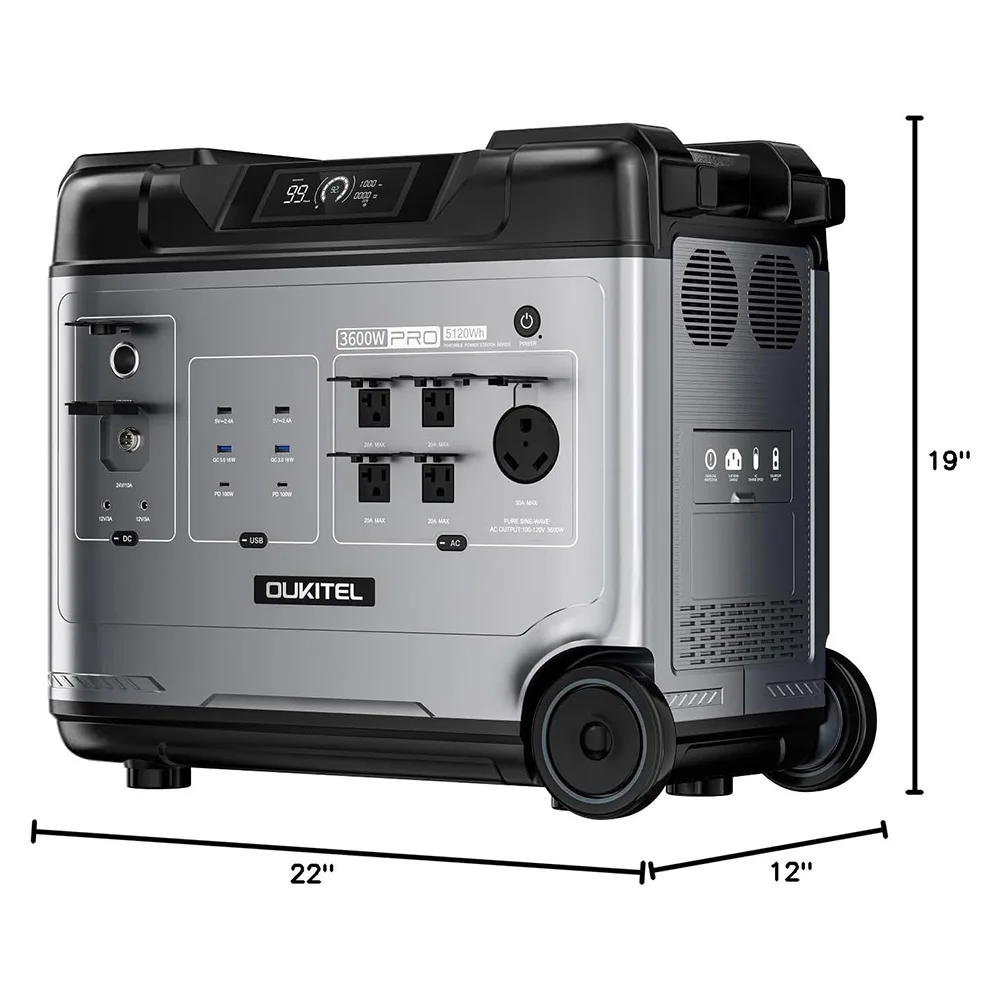
Product-3, EV Car Portable Power Backup – P5000 Pro Portable Power Station, 5120Wh
Original price was: $6,753.18.$1,899.00Current price is: $1,899.00.